
ADAS calibration · Ottawa & Gatineau

Windshield camera calibration in Ottawa.Static, dynamic or both.

When a windshield-mounted camera is disturbed, the vehicle-specific procedure may require calibration. We identify the correct OEM procedure, prepare the vehicle and complete the applicable calibration after replacement.

G★★★★★4.9 on GoogleLocal customer reviews
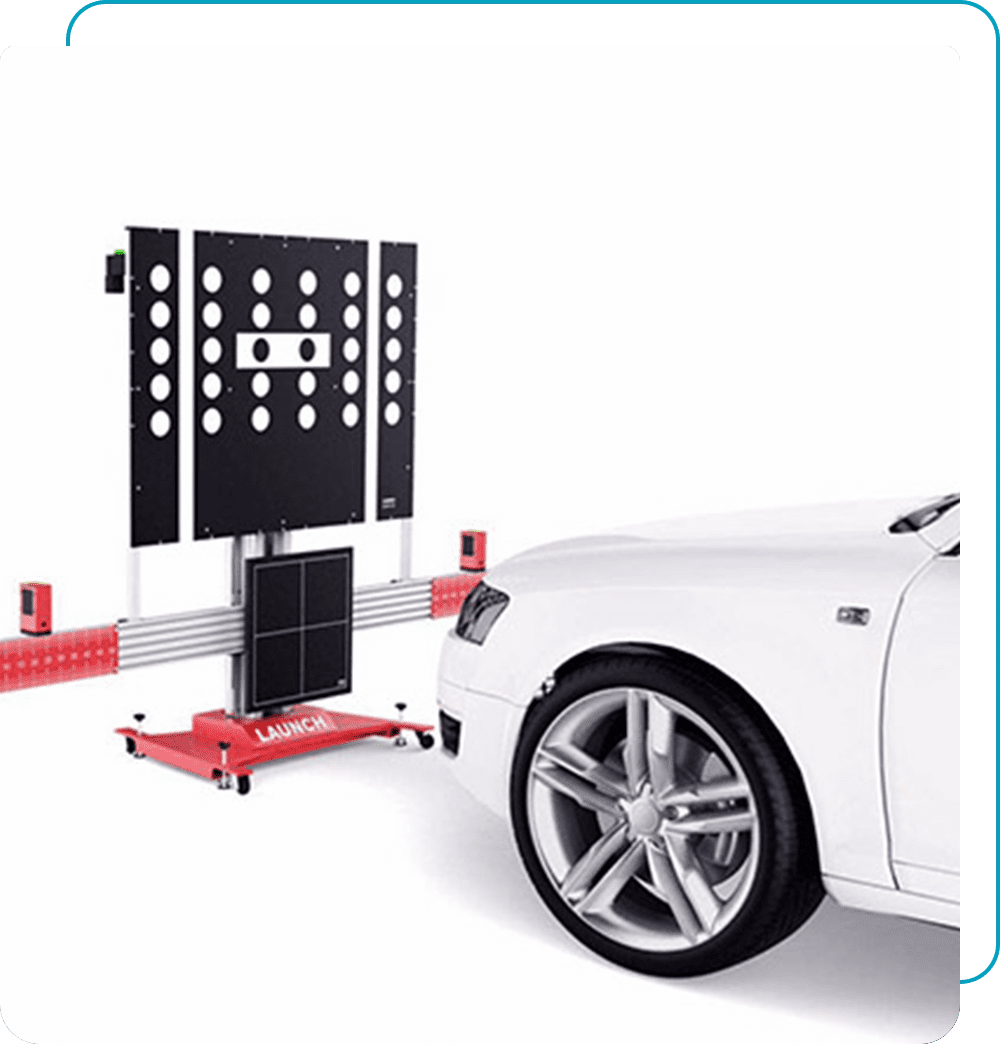
Vehicle positioned in front of ADAS calibration targets
Vehicle-specific calibration procedure
✓ Static and dynamic capabilities
✓ OEM procedure confirmed
✓ Shop and select mobile service

What calibration involves

The procedure is determined by the vehicle—not guesswork.

Calibration requirements can change by year, make, model, camera and even vehicle configuration. We review the applicable procedure before booking and confirm whether the vehicle calls for a static calibration, dynamic calibration or both.

01

Vehicle and system identification

The VIN and windshield features help identify the forward-facing camera and applicable driver-assistance systems.

02

OEM procedure research

We confirm the calibration event, required method, equipment and preparation specified for that vehicle.

03

Vehicle preparation

Tire pressure, ride height, fuel, cargo, warning lights and other listed conditions may need to be checked first.

04

Accurate setup

Targets, measurements, scan equipment or road conditions are arranged according to the required procedure.

05

Calibration operation

The specified static, dynamic or combined procedure is completed after the windshield work when required.

06

Result review

We confirm completion, explain any limitations or additional steps and provide the applicable service documentation.

iNot every vehicle uses the same procedure. A similar-looking camera on another model can have different setup, target, road-speed or environmental requirements. Vehicle-specific information controls the process.

Two common calibration methods

Static targets. Dynamic driving. Sometimes both.

The calibration type is not chosen for convenience. It is determined by the vehicle manufacturer’s procedure for the camera and system installed in that specific vehicle.

01

Static calibration

The vehicle is positioned in a controlled indoor area while precisely measured targets or patterns are placed relative to the vehicle.

  • Completed at our Stevenage Drive shop
  • Requires specified target placement and measurements
  • Level space, lighting and vehicle position matter
  • Scan and calibration equipment initiate the procedure
02

Dynamic calibration

The vehicle is driven under specified road, speed, distance, traffic and weather conditions while the system completes its learning procedure.

  • May be available with select mobile replacements
  • Road markings and visibility may affect completion
  • Specified speeds or driving time may be required
  • Weather and traffic can require rescheduling
+Some vehicles require both methods.A combined or “dual” procedure means the static setup and the on-road calibration must both be completed in the required sequence.

Before calibration begins

The vehicle has to meet the setup conditions.

Calibration is measurement-sensitive. The applicable procedure may specify vehicle weight, ride height, tire pressure, fuel level, cargo condition, warning-light status and working-area requirements.

Check My Vehicle’s Requirements →
01Tires and ride height

Correct tire size, pressure and normal vehicle stance may be required for accurate camera alignment.

02Fuel and vehicle load

The procedure may specify fuel level and require unnecessary cargo or heavy items to be removed.

03Warning lights and faults

Existing faults, damage or related system warnings may need diagnosis before calibration can finish.

04Road and weather conditions

Dynamic procedures can depend on visible markings, suitable speeds, traffic, precipitation and visibility.

Why might calibration be delayed? Snow-covered roads, heavy rain, poor lane markings, unsuitable traffic, modified ride height, damaged components or unresolved diagnostic faults can prevent a successful procedure.
⋮⋮⋮⋮

Windshield to calibrated vehicle

Four coordinated steps. One complete appointment.

The windshield-mounted camera can support several driver-assistance functions. We confirm the vehicle requirements early so replacement and calibration can be planned together.

Lane-departure warningLane-keeping assistanceForward-collision warningAutomatic emergency brakingAdaptive cruise controlTraffic-sign recognition
01

Send the VIN and features

Provide the year, make, model and VIN, plus any known camera or driver-assistance features.

02

We confirm the procedure

We identify the correct windshield and determine whether static, dynamic or combined calibration applies.

03

Replace and prepare

The windshield is installed and the vehicle is prepared according to the applicable calibration conditions.

04

Calibrate and review

We perform the specified procedure, review the result and explain any additional requirement or limitation.

Planning a windshield replacement?

Have the VIN ready. We can identify the camera-equipped glass and calibration requirements before confirming the appointment.

Check My Vehicle →

ADAS calibration questions

Before you book.

The exact answer depends on the vehicle-specific procedure. We verify that information using the VIN and equipment details.

Does every windshield replacement require ADAS calibration?
No. Calibration generally applies when the vehicle has a camera or sensor affected by the windshield work and the vehicle-specific procedure identifies replacement or removal as a calibration event. We check before booking.
Can a dynamic calibration be completed with mobile service?
Sometimes. Select dynamic procedures may be completed following a mobile windshield replacement when the vehicle, equipment, road, weather and manufacturer requirements allow it. Static procedures are completed at our Ottawa shop.
How long does windshield camera calibration take?
Timing varies by vehicle and procedure. A dynamic calibration often requires approximately 20–45 minutes of suitable driving, while a static procedure commonly adds setup and target time at the shop. Traffic, weather or faults can extend the process.
What happens if road or weather conditions prevent calibration?
We explain why the procedure could not be completed and arrange the appropriate next step. Dynamic calibration may need to be rebooked when lane markings, visibility, traffic or weather meet the specified conditions.
Can I decline a calibration after windshield replacement?
We explain the vehicle procedure and recommend completing any calibration identified by the manufacturer. If you decline, written acknowledgement may be required, and affected driver-assistance systems may not operate as intended until the required procedure is completed.
Does calibration replace attentive driving?
No. Driver-assistance systems support the driver but do not replace attention, judgment or control of the vehicle. Always follow the vehicle owner’s manual and respond to dashboard warnings.
⋮⋮⋮⋮

OEM procedure confirmed first

Ready to book your ADAS calibration?

Send the year, make, model and VIN. We’ll confirm whether the vehicle requires static, dynamic or both types of calibration before booking.